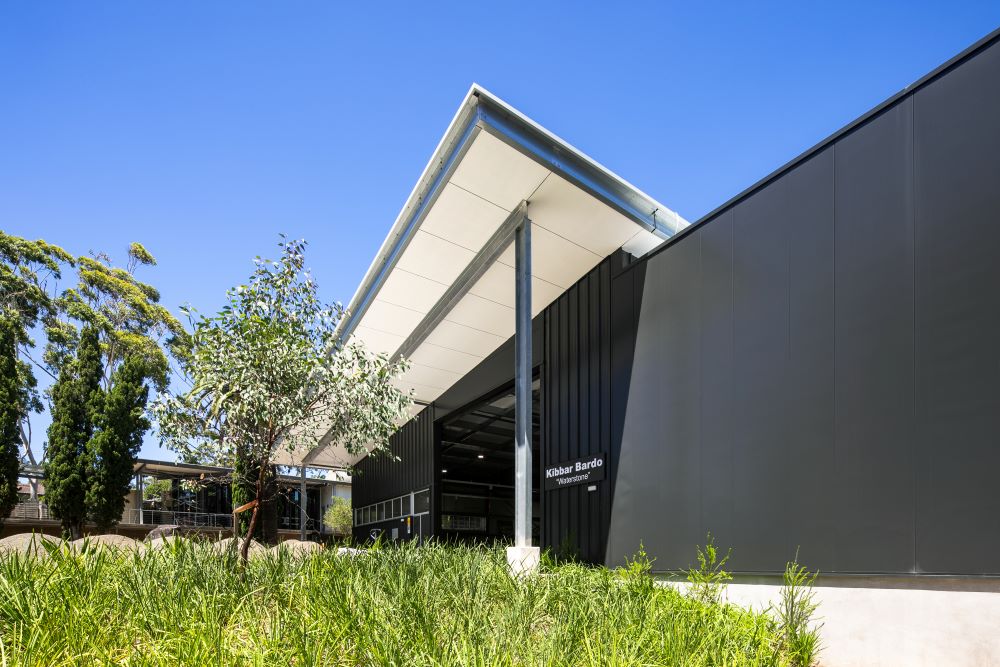
Greater Sydney & Central West Manly Hydraulics Laboratory new building
Contact point

Background
Manly Hydraulics Lab (MHL) provides expertise and advice on coastal and environmental water modelling, monitoring, and management.
NSW Public Works (NSWPW) was engaged by MHL to manage the design and construction of a new laboratory building, marking the first major upgrade to MHL facilities in almost 30 years. The new laboratory is located on the same site where the existing Hydraulics Building and Linay Building have stood for over 100 years. This state-of-the-art facility will play a significant role in the state’s water future and ensure MHL can continue providing specialist advice and services.
Our role
NSWPW provided project management and contract administration services for the new building. We led the project from design and construction to final handover, leveraging our expertise in delivering complex government projects. The design of the building required extensive planning to align with MHL's performance requirements, informed through detailed cost analysis and site investigations managed by specialist consultants.
NSWPW also managed the contract documentation and the tender process to award the head builder contract. During the construction phase, we administered the contract as the Principal’s Authorised Person through to the completion of the work and handover of the facility to the client. Structural design, geotechnical investigation, hazardous material surveys, environmental and planning approvals, and large mains water pipe diversions were among the complex challenges we navigated during the project.

Key facts
- Successfully completed in April 2023.
- National Association of Testing Authorities (NATA) accredited facility.
- The building has a total area of 1940m2.
Outcomes
The new MHL building was officially opened in August 2023. It accommodates workshops, head tanks, and pipework for water supply and will be used for MHL’s core business of hydraulic modelling and monitoring for building new dams and causeways in NSW. The building contains three model reservoirs that can recreate flows greater than 2,200 litres per second, allowing them to replicate highly complex scenarios to reflect a range of unique environments for potential projects to test their viability including droughts, coastal storms and floods.